
Person first
We learn who someone is beyond their diagnosis: their routines, relationships, strengths, culture and hopes.
Our approach
Support should expand someone’s life — not take it over. Our approach combines respectful relationships, practical opportunity and responsive oversight.
Person-centred by design
Each person helps shape their support: what they want to work on, how they prefer to communicate, what helps when life feels difficult and who they want involved.
We review support as life changes and pay attention to progress that matters to the person — not only tasks completed or risks reduced.
We learn who someone is beyond their diagnosis: their routines, relationships, strengths, culture and hopes.
Support is enabling. We offer the right amount of help while protecting opportunities to practise and grow.
Progress happens through ordinary living — making choices, building routines and reconnecting with community.
Risk is understood together, not used to close down possibility. Plans balance safety with autonomy.
We work openly with each person, their family, commissioners and healthcare professionals.
Feedback, reflection and quality checks help us keep improving the experience of support.
How it works day to day
Staff understand preferences, communication, early warning signs, strengths and the things that bring someone joy.
Goals and support plans are built with the individual and reviewed when their needs or ambitions change.
Skills are developed through everyday opportunities: cooking, budgeting, travel, appointments and community activities.
We recognise small but meaningful changes and adjust support so independence can continue to grow.
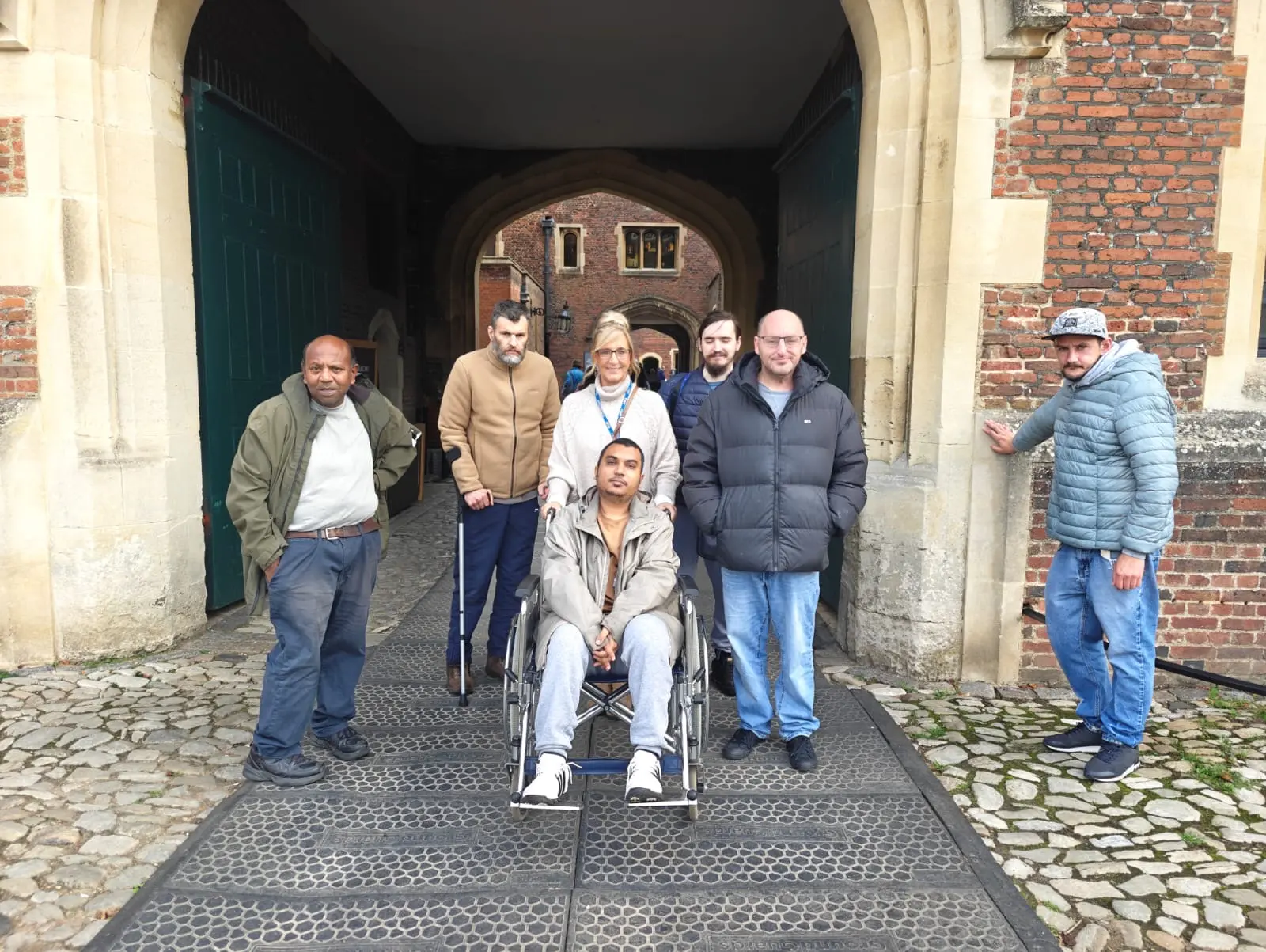
A life beyond services
Community inclusion is about more than attending activities. It is having relationships, roles, interests and places where you feel you belong.
Partnership working
With consent, we work closely with families, community mental health teams, social workers, commissioners, GPs and other professionals. Clear communication helps everyone understand what is working, where support is needed and what the next goals are.
Professional feedback
Communication is very good, and the desire to understand residents and achieve the best outcomes comes across strongly in every interaction.
Talk to us